
The Material That Was Alive
Room-obsessed,
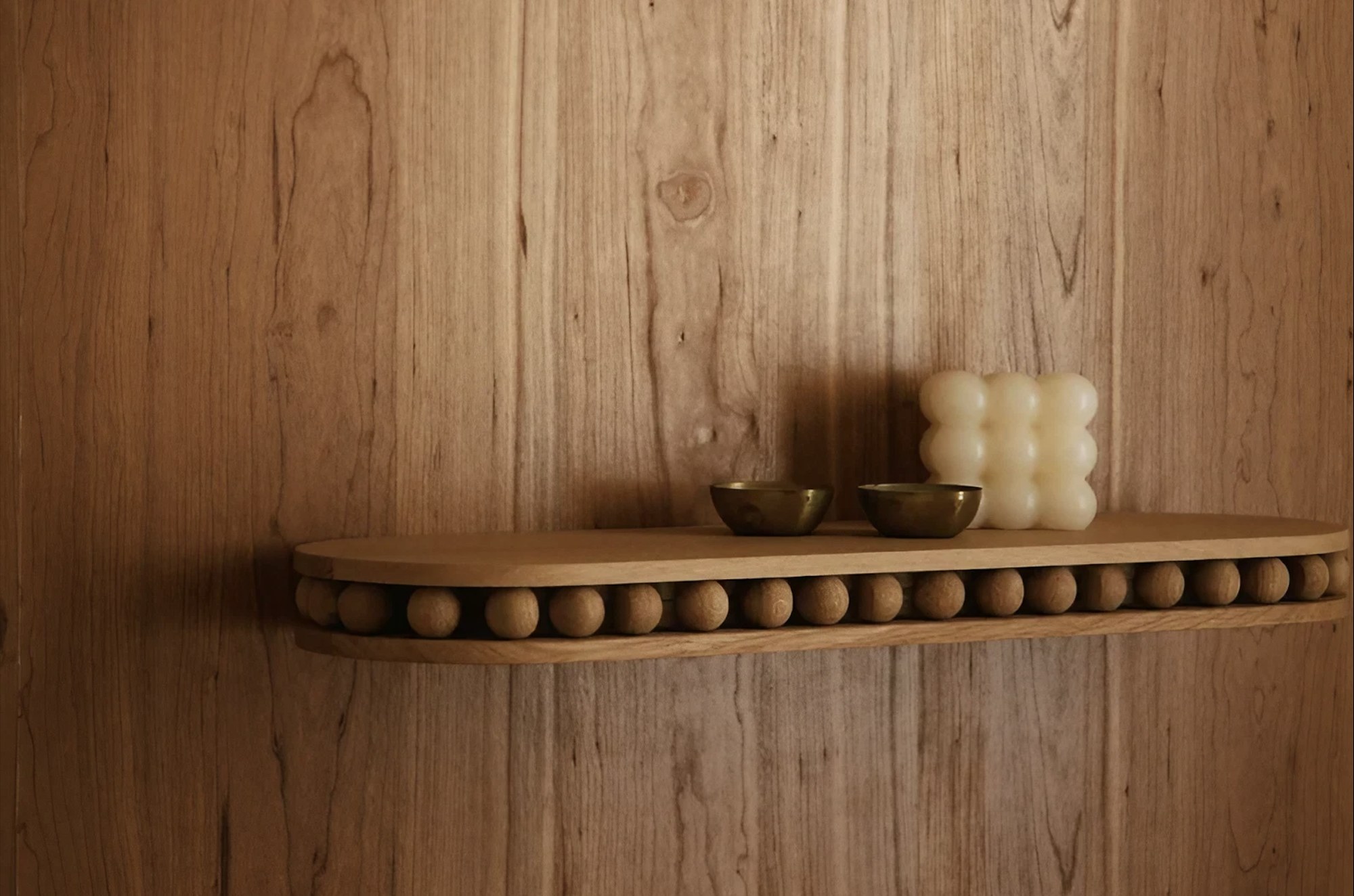
Every other material in your scheme was made. Fabric was woven, plaster was mixed, brass was poured. Wood is the only one that lived. It drank, it absorbed the sunlight, it survived winters, and it remembers all of it in the grain.
Which is why wood is the easiest material to buy badly. People choose it like a color: whichever one is trending right now, that’s the right one. But wood is not a color or a trend. It is a biography with a surface, and if you’ve learned anything from KAIN’s philosophy, you know what I’m going to say: read the biography first.
So: how to choose it, when to break the rules, and why the material everyone calls cheap is about to become the most interesting thing in this letter.
This is how I turn every room with wood into a showstopper.
One:Imperfection is beautiful
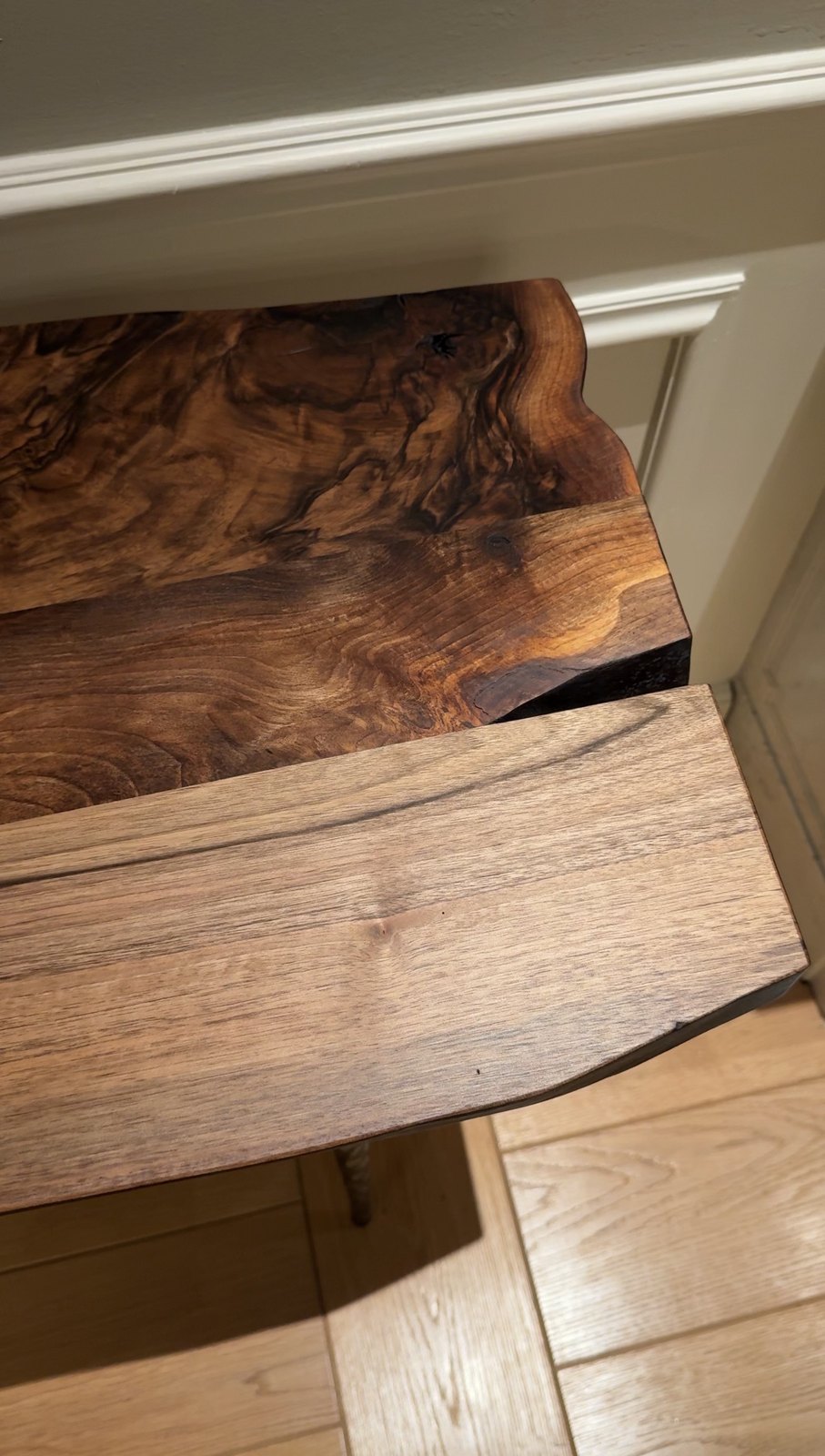
The most expensive wood in the room was once a sick tree.
Here is my favorite secret in the whole material world: almost every “figured” wood that makes people gasp is the record of something going wrong.
Burl, those swirling, dream-like knots that get sliced into veneer for the most precious pieces, is a tumor. The tree suffers an injury or an infection, often fungal, and responds by growing wildly, chaotically, in self-defense. The result is grain with no direction at all, and it is worth many times the wood around it. Spalted wood, with those fine black ink-lines running through pale timber, is a fungus caught in the act: the decay stopped by the sawmill at the exact moment it turned beautiful, a photograph of the wood being eaten. Bog oak, nearly black, was an ordinary oak that fell into a peat bog and spent centuries, sometimes thousands of years, in the dark, its tannins slowly reacting with iron until the color went all the way through. You cannot make it. You can only find it.
Sit with what that means. The lumber grades call clear, straight, eventless wood “firsts.” The market pays fortunes for the trauma. Every knot, every ripple of curl, every scar is the tree writing down what happened to it, and the rooms that stay with people are almost never furnished in wood that has nothing to say. Specify the biography, not the blemish-free.
Two:Be playful
Don’t hide its character. Embrace it. Stain it. Carve it. Lacquer it.
The grain is not something to work around. It is the instrument, and there are more ways to play it than most specifiers ever try.
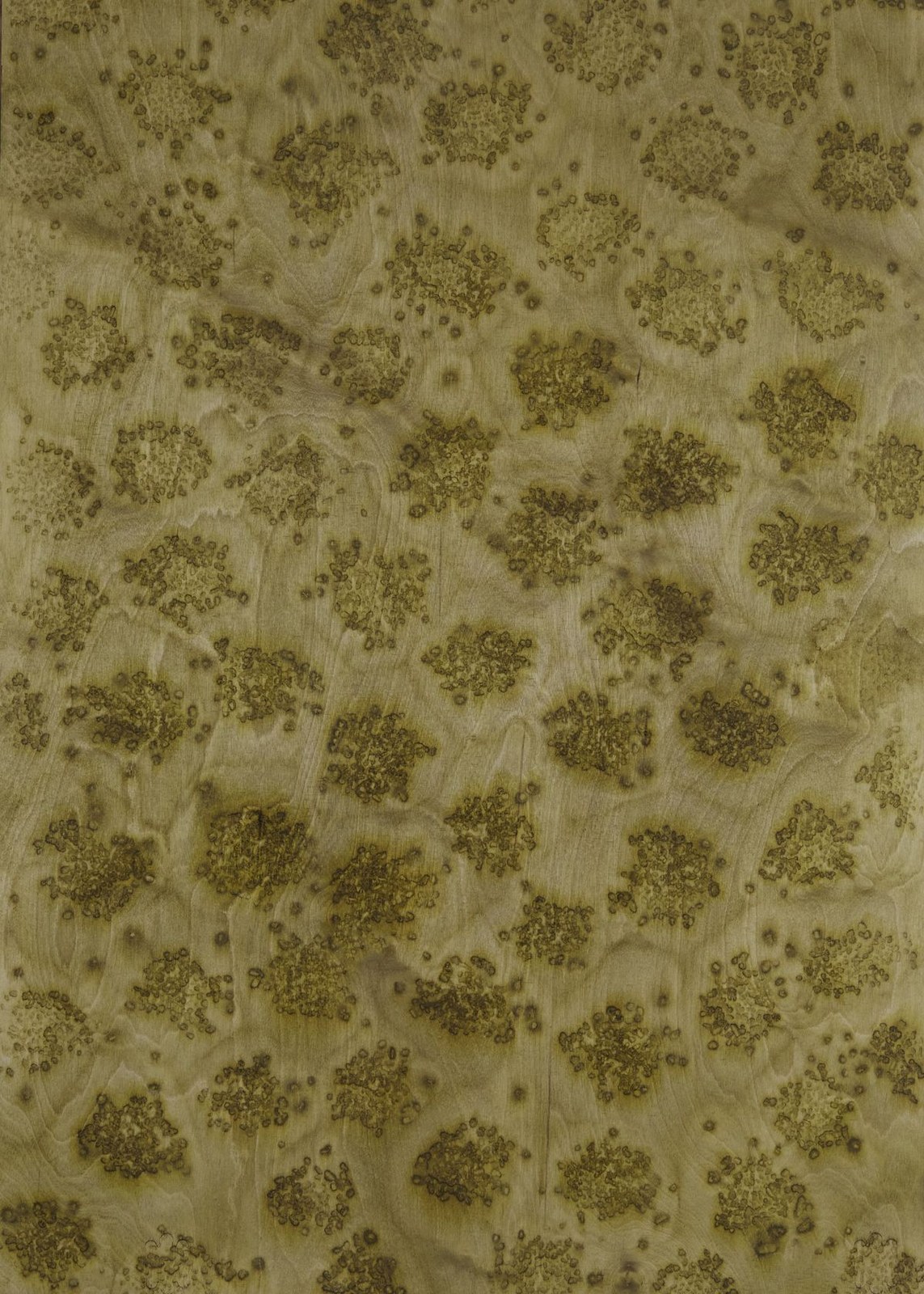
My favorite proof is OSIS, the surface technique developed by LLOT LLOV in Berlin, and the most poetic argument for playfulness I know. The process borrows from osmosis: pigment is glazed onto birch, salt is scattered across the wet surface, and then nature takes over. The salt drinks the liquid and pulls the color deep into the natural flow of the grain, so the pattern isn’t printed onto the wood. It is negotiated with it. Humidity, timing, the way the crystals fall: every variable shifts the result, which means no two surfaces can ever repeat. In peacock blue or rust or aubergine, the wood looks like a tide went out and left its map behind. That is the model, a treatment that amplifies what the tree already wrote instead of covering it.
Stain works the same way when you let it. A dark stain on ash or oak doesn’t hide the grain; it turns the volume up, sinking into the open pores and leaving the dense wood pale, so the pattern reads like ink on paper. Ceruse the oak, white pigment dragged into blackened grain, and the biography becomes graphic, almost typographic. And this is exactly where most rooms go wrong in the other direction: stain chosen to make one species impersonate another, pores filled, character sanded to silence. If the finish makes the wood harder to read, it’s the wrong finish.
Then there is the knife. Carving is the oldest conversation with grain there is: gouge-scalloped fronts that catch light in rhythmic waves, fluting and reeding that turn a flat plank into architecture, wire-brushing and sandblasting that erode the soft springwood and leave the hard rings standing like a landscape in relief. Even fire belongs here. The Japanese have charred cedar for centuries, burning the surface until the grain rises black and crocodile-skinned, more durable and more alive than paint could ever make it. Every one of these techniques does the same thing: it takes the pattern the tree spent decades writing and makes it impossible to ignore.
Play. The wood already did its half of the work.
And here is where I have to lower my voice. Because the next thing I’m going to tell you is that the most touchable surface I have ever put in a room, the one guests physically cross the floor to run their hands over, is made from the material your contractor hides and your client is embarrassed to name. I’m going to show you exactly how it’s done. Below the line, for subscribers only.
Below the line · for membersThe rest of this letter, three more rules and the trick I use most, is for members.
Become a memberAlready a member? Sign in